Estate Planning Attorney in Central Minnesota
Practical estate planning services designed to help you make informed decisions, protect what matters, and ensure your wishes are carried out the way you intend.
Planning for the future isn’t always easy to prioritize, but having a clear plan in place can make a meaningful difference for you and your family. In Central Minnesota—whether in Long Prairie, Alexandria, St. Cloud, or surrounding communities—estate planning is often about creating clarity and avoiding uncertainty during difficult times.
Estate Planning in Central Minnesota
Create clarity for the people who matter most
Estate planning is about more than documents—it’s about making decisions ahead of time so your family isn’t left guessing later. Without a plan in place, Minnesota law determines how assets are distributed and how decisions are made.
You’ll receive clear guidance on how to structure your plan in a way that reflects your situation, your priorities, and the realities of your family and assets.
Build a plan that works in real life
Wills, Trusts, and Essential Planning Documents
A complete estate plan typically includes a will, powers of attorney, and healthcare directives, and may include trusts depending on your needs. Each of these plays a role in ensuring your wishes are clearly defined and legally enforceable.
The goal is not to overcomplicate things—it’s to create a plan that is straightforward, effective, and easy for your family to follow when it matters most.
Estate planning in Central Minnesota often involves more than financial accounts. Land, family property, and long-term ownership arrangements are common, especially in areas like Todd County, Douglas County, and surrounding communities.
These situations require careful consideration to ensure everything is handled properly. A clear plan helps prevent confusion and ensures that property and assets are passed on as intended.
Reduce stress and uncertainty as a gift to family and friends
Avoiding probate complications and family disputes
Without a clear estate plan, families are often left navigating probate without guidance. This can lead to delays, additional costs, and disagreements over how assets should be handled.
Putting a plan in place helps reduce the likelihood of disputes and simplifies the process. It gives your family a clear roadmap, rather than leaving decisions to be made under pressure.
When should you create or update an estate plan
A practical approach to estate planning
Estate planning isn’t just for later in life. It becomes important as soon as you have property, financial accounts, or people who depend on you. Life changes—such as marriage, children, or purchasing land—are all good times to revisit your plan.
For many individuals and families across Central Minnesota, having even a basic plan in place provides peace of mind and avoids unnecessary complications down the road.
Serving Central Minnesota communities
Estate planning across Todd County and beyond
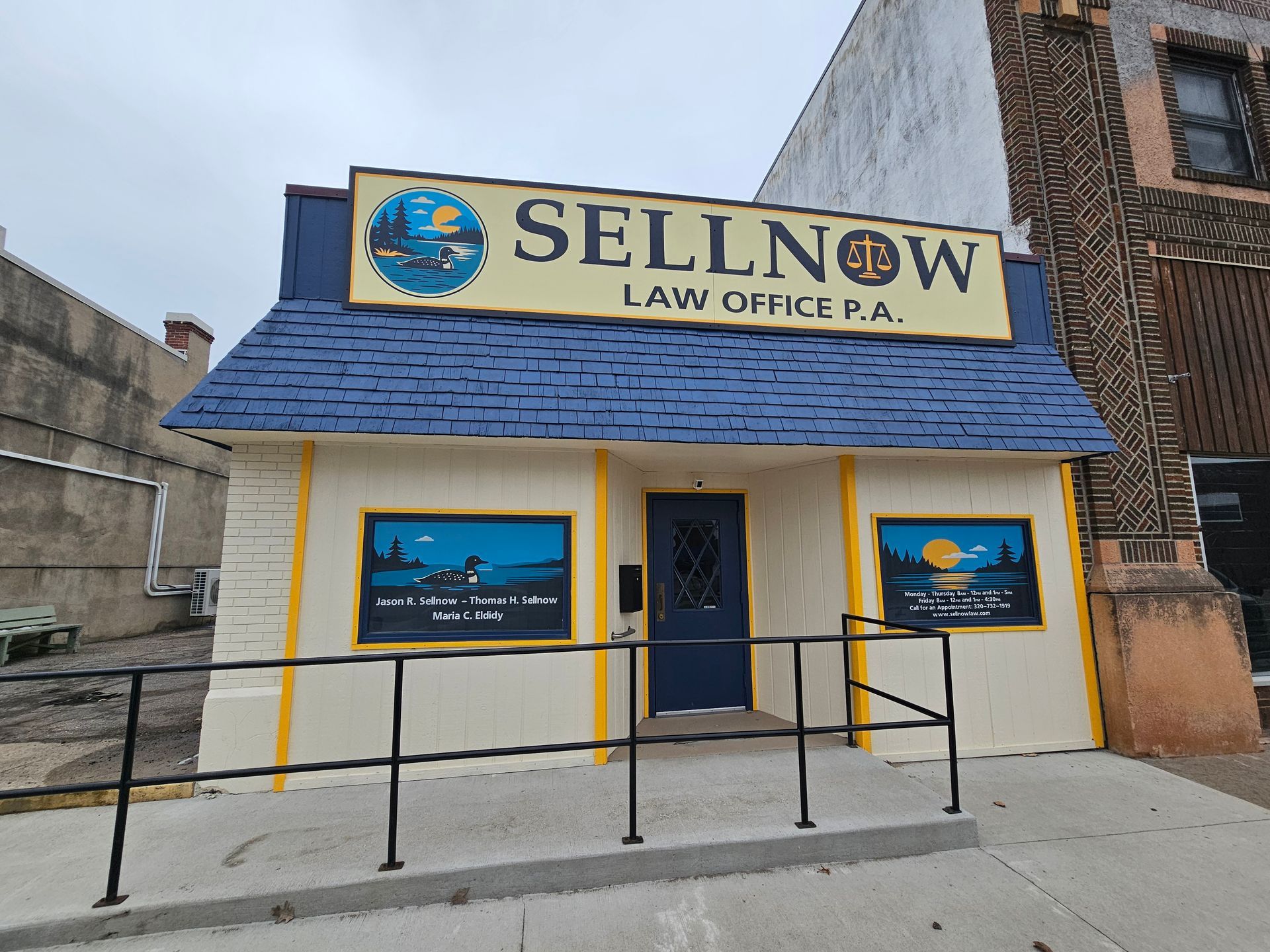
Sellnow Law Office, P.A. is based in Long Prairie and serves clients throughout Central Minnesota, including Alexandria, St. Cloud, Little Falls, Wadena, Glenwood, and surrounding areas.
With experience working with families across Todd County, Douglas County, and nearby communities, you’ll have guidance that reflects both the legal process and the local landscape.
Frequently Asked Questions About Estate Planning in Central Minnesota
Do I need an estate planning attorney in Central Minnesota to create a will?
While it’s possible to create a will on your own, working with an estate planning attorney in Central Minnesota helps ensure that your documents are valid, complete, and aligned with your specific situation. Laws in Minnesota govern how wills must be structured, and small errors can lead to complications later.
In communities like Long Prairie, Alexandria, and St. Cloud, estate planning often involves more than just basic assets. Property, land, and family considerations can add complexity that benefits from legal guidance.
Having a properly prepared will helps ensure your wishes are clearly documented and reduces the likelihood of confusion or disputes during the probate process.
What happens if I die without a will in Minnesota?
If you pass away without a will, Minnesota law determines how your assets are distributed through a process called intestate succession. This means the court—not your family—decides who receives your property based on a fixed legal formula.
In Central Minnesota, where families often have shared property, land, or long-standing arrangements, this can lead to outcomes that don’t match what you would have intended. It can also create confusion or disagreements among family members.
Having an estate plan in place allows you to make those decisions yourself and provides clarity for your family during an already difficult time.
What documents are included in an estate plan in Minnesota?
A typical estate plan in Minnesota includes a will, a financial power of attorney, and a healthcare directive. Depending on your situation, it may also include one or more trusts to manage or distribute assets more efficiently.
Each of these documents serves a different purpose. A will outlines how assets are distributed, while powers of attorney allow someone to make financial or medical decisions on your behalf if needed.
For individuals and families across Central Minnesota, having these documents in place creates a complete plan that addresses both lifetime decisions and what happens afterward.
How does probate work in Central Minnesota?
Probate is the legal process of administering an estate after someone passes away. This includes identifying assets, paying debts, and distributing property according to a will—or according to Minnesota law if there is no will.
In counties like Todd County, Douglas County, and Morrison County, probate is handled through the local court system. The timeline and complexity can vary depending on the size of the estate and whether any issues arise.
Without a clear estate plan, probate often takes longer and involves more court oversight. A well-structured plan can help simplify this process and reduce delays for your family.
When should I create or update my estate plan?
Estate planning isn’t just something to think about later in life. It becomes important as soon as you have assets, property, or people who depend on you. Many people in Central Minnesota create their first plan when buying a home, starting a family, or acquiring land.
It’s also important to update your plan after major life changes, such as marriage, divorce, the birth of a child, or significant financial changes. An outdated plan can create just as many issues as not having one at all.
Keeping your estate plan current ensures that it continues to reflect your wishes and your situation as things change over time.
Do I need a trust, or is a will enough?
Not everyone needs a trust, but in some situations, it can be a helpful addition to an estate plan. Trusts are often used to manage assets, avoid certain aspects of probate, or provide more control over how property is distributed.
In Central Minnesota, trusts are sometimes used when dealing with land, family property, or situations where assets need to be managed over time. Whether a trust makes sense depends on your specific goals and circumstances.
For many people, a well-prepared will combined with other key documents is sufficient. The right approach is based on what works best for your situation—not a one-size-fits-all solution.